Collage Art Backgrounds: 21 Digital Papers for Creative Design
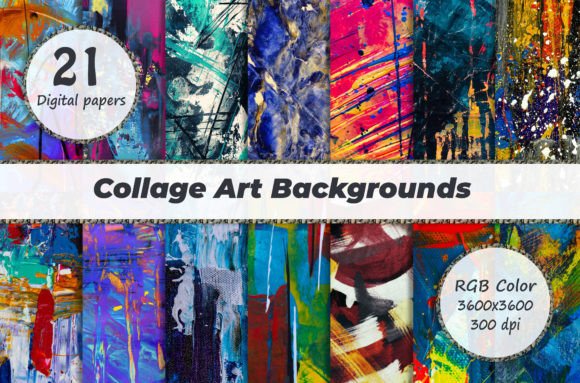
Collage Art Backgrounds offer a rich, textured foundation for a wide array of creative projects. This collection of 21 digital papers is designed for those who work with layered editing software, providing a versatile base for invitations, branding, apparel, digital albums, and more. Each background is a 3600x3600 pixel PNG file at 300 DPI, ensuring high-quality output for both print and digital use. The visual personality of these backgrounds is eclectic, artistic, and full of character, featuring mixed-media textures, vintage paper effects, and abstract compositions that add depth and interest to any design.
Understanding the Visual Appeal and Style
These collage backgrounds are not simple, flat colors. They embody a handcrafted aesthetic, often combining torn paper edges, ink stains, vintage typography fragments, and subtle color washes. This style brings an organic, human touch to digital work, counteracting the sometimes sterile feel of purely digital design. The overall appeal lies in their ability to evoke emotion and tell a story before a single word of text is added. They function as a powerful design asset, setting a specific mood—be it nostalgic, whimsical, edgy, or sophisticated—that aligns with a project's core message.
When integrated into a brand identity, these backgrounds can help define a company's personality. For a boutique bakery or a handmade jewelry line, they suggest authenticity and artisanship. For a music blog or indie publisher, they convey creativity and a DIY spirit. The key is that they are more than just decoration; they are a foundational element of visual communication. Unlike a standard serif font or sans serif font used for body text, the background itself becomes a primary communicator of style and tone.
Practical Applications Across Industries
The utility of a versatile set like Collage Art Backgrounds spans numerous fields. For graphic designers and entrepreneurs, they are a time-saving resource for creating cohesive visual content. Here’s where they work exceptionally well:
- Packaging and Label Design: A textured background can make a product label stand out on a crowded shelf, suggesting a premium, crafted quality. It's perfect for gourmet foods, artisan soaps, or specialty coffee brands.
- Marketing and Social Media Graphics: Use these as backgrounds for Instagram posts, Facebook ads, or Pinterest pins. They stop the scroll with visual texture and depth, making promotional content feel more engaging and less like a generic advertisement.
- Web Design and Digital Content: As a web design element, a subtle collage background can add personality to a blog header, a section divider, or an e-commerce site's hero image. They also serve beautifully as unique desktop backgrounds or digital wallpapers.
- Print Projects: Their 300 DPI resolution makes them ideal for invitation card design, greeting cards, scrapbooking layouts, and birthday party decorations. The high quality ensures crisp prints for all your paper crafts and printing labels.
- Product Mockups and Merchandise: Design custom T-shirts, cell phone covers, or nail wraps with these backgrounds. They provide a unique base for typography or graphic overlays, helping create one-of-a-kind merchandise.
Working with Layered Design Assets
To get the most out of these backgrounds, you'll need software that supports layers, such as Adobe Photoshop, Photoshop Elements, or Paint Shop Pro. Lightroom users should note that a plugin enabling layer functionality is required. The process is straightforward: open a background file, then add your text, logos, or other graphic elements on new layers above it. This non-destructive workflow allows you to adjust, move, or remove elements without altering the original background.
A critical consideration is readability. Because collage backgrounds are visually complex, the text placed on top must have sufficient contrast. A bold, simple typeface often works better than an intricate script font or handwritten font. You can improve legibility by adding a semi-transparent shape behind your text, using a strong drop shadow, or selecting a background with a less busy area to serve as a text field. Testing font pairing is essential—a strong display font for headlines paired with a clean sans serif font for body copy usually maintains hierarchy against a textured backdrop.
Evaluate the specific project before selecting a background. Ask yourself: Does this texture support my message or distract from it? Is the color palette harmonious with my brand colors? Will this background scale well for my intended output, whether it's a small magnet or a large banner? By viewing these premium font alternatives as integral parts of your editorial design or logo design toolkit, you can leverage them to build stronger, more memorable visual narratives. The set's commercial license typically covers most uses, but always verify the terms for large-scale distribution or resale applications.
Ultimately, Collage Art Backgrounds provide a shortcut to adding artistic depth and professionalism. They are a practical resource for anyone looking to elevate their creative work, from crafting a compelling social media graphics campaign to designing a standout digital album. By understanding their style and learning to integrate them thoughtfully, you unlock a powerful way to enhance visual storytelling and audience engagement.