Delicate Vintage Backgrounds: A Foundation for Timeless Design
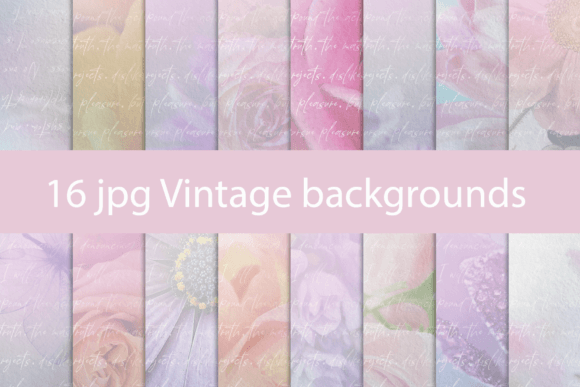
There’s a particular quality to designs that feel both nostalgic and fresh. It often starts not with the focal point, but with the canvas itself. Delicate Vintage Backgrounds are more than just a collection of images; they are a foundational design asset that provides that specific, sought-after texture. This set includes 16 high-resolution JPG backgrounds, each sized at 3600x3600 pixels, offering a versatile library for creators who understand that the right background does half the work in setting a project’s mood.
The Aesthetic: Subtle Texture with a Story
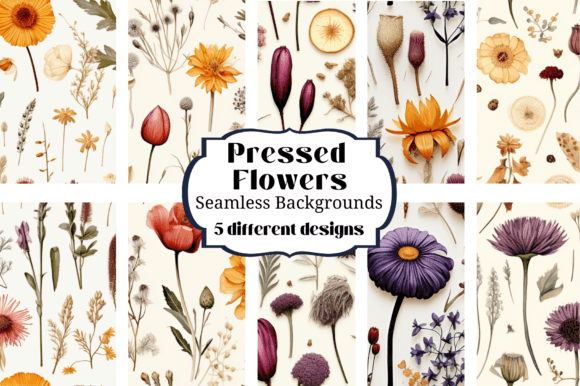
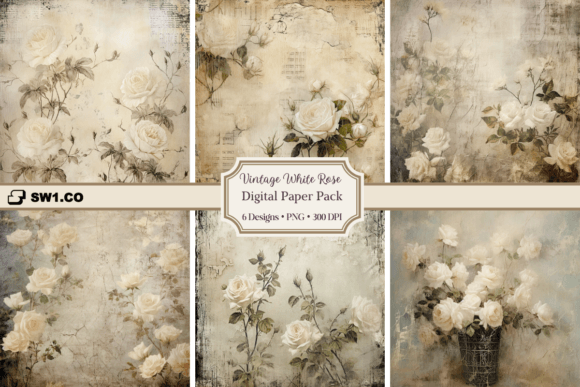
What defines a “delicate” vintage look? It’s the visual equivalent of a well-loved book cover or the faint patina on antique lace. These backgrounds typically feature soft, muted color palettes—think faded creams, dusky pinks, sage greens, and weathered blues. The textures are subtle: a gentle paper grain, the faint impression of a floral damask, or the soft vignetting of an aged photograph. The personality is one of quiet elegance and understated sophistication. It’s not a loud, distressed grunge; it’s a refined, tactile quality that suggests history and care. This style avoids feeling overly digital or sterile, making it an excellent choice for projects that aim to connect on a more human, emotional level.
Practical Applications Across Creative Disciplines
The true value of a resource like Delicate Vintage Backgrounds lies in its application. Its versatility bridges the gap between personal craft and commercial design, making it a pragmatic tool for a wide range of professionals.
- For Brand Identity & Marketing: Entrepreneurs and small business owners can use these backgrounds to build a cohesive brand identity. A consistent vintage texture applied across website headers, social media graphics, and email newsletters creates immediate recognition. For a bakery, florist, boutique hotel, or artisanal product line, it communicates craftsmanship, heritage, and attention to detail without a single word. The texture becomes part of the brand’s visual language.
- For Editorial & Publishing Design: Bloggers, publishers, and content creators find immense utility here. These backgrounds serve as perfect canvases for quote graphics, podcast cover art, or eBook chapter pages. In editorial design, they can frame pull quotes or separate content sections, adding visual interest and a tactile feel to digital layouts. The high resolution ensures they scale beautifully for both web and print publishing.
- For Packaging & Physical Products: This is where the set truly shines. The 3600x3600 pixel dimension is ideal for print. Designers can use these as full backgrounds for product packaging, gift wrap, stationery sets, or postcards. Imagine a soap company using a soft, floral vintage background on its label—it instantly elevates the perceived value. For scrapbooking and DIY projects, the large format allows for cropping and resizing without quality loss, giving crafters professional-grade assets.
Strategic Considerations for Effective Use
Simply placing a textured background behind text isn’t enough. To leverage this asset effectively, a strategic approach is necessary, much like choosing a premium font for a logo design. Here’s how to think about it:
- Evaluate Project Fit: Ask if the vintage aesthetic aligns with your audience and message. It’s perfect for storytelling, nostalgia, romance, nature, and artisanal themes. It might feel out of place for a cutting-edge tech startup or a hyper-modern fitness brand. The background should support the narrative, not contradict it.
- Test with Your Typography: A background’s texture is part of your visual hierarchy. Pair it with font pairings that complement its character. A clean sans serif font offers a beautiful, modern contrast to the vintage texture, enhancing readability. A classic serif font can deepen the traditional feel, while a flowing script font or handwritten font can amplify the romantic, personal quality. Always test your chosen typeface on the actual background to check for contrast and legibility.
- Consider the Medium: For web design, use these as subtle section dividers or hero image overlays, ensuring text remains crisp. For social media graphics, they make posts stand out in a fast-scrolling feed. In packaging design, consider how the texture interacts with finishes like matte or gloss lamination. The goal is visual consistency across all touchpoints to build a strong, recognizable brand identity.
- Leverage the Library: Don’t treat the 16 backgrounds as a single unit. Use different textures from the set for different purposes—one for the main website, another for Instagram Stories, a third for thank-you cards. This creates variety while maintaining a unified aesthetic, demonstrating professionalism and thoughtful design.
Ultimately, Delicate Vintage Backgrounds function as a foundational design asset. They provide the texture and mood, allowing your primary content—whether it’s a logo, headline, product photo, or call-to-action—to take center stage. By understanding their visual personality and applying them with intention, you can create designs that feel both timeless and personally crafted, engaging your audience on a deeper, more sensory level.