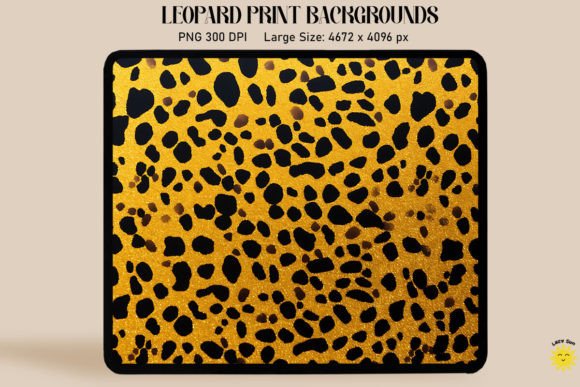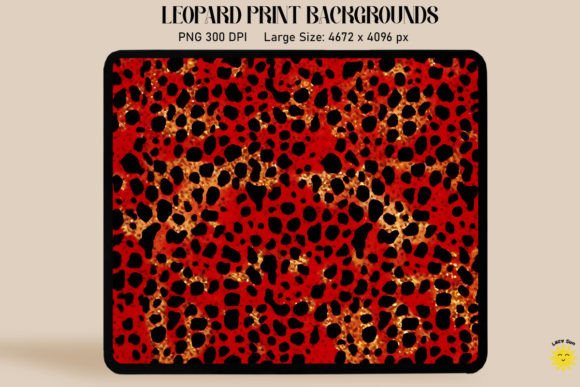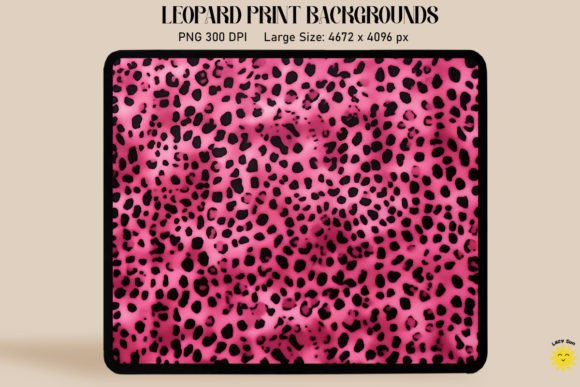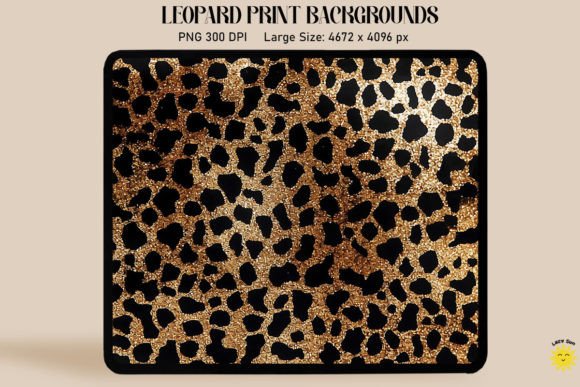
Embrace Bold Style with Purple Leopard Print Backgrounds
In the world of design, standing out is everything. A purple leopard print background isn't just a pattern; it's a statement. It combines the untamed energy of animal print with the regal, creative depth of purple, creating a visual asset that commands attention. For designers, entrepreneurs, and creators seeking a distinctive edge, this type of background offers an immediate injection of personality and flair. It moves beyond generic textures to become a core component of a bold brand identity or a captivating creative project.
The Visual Language of Purple Leopard Print
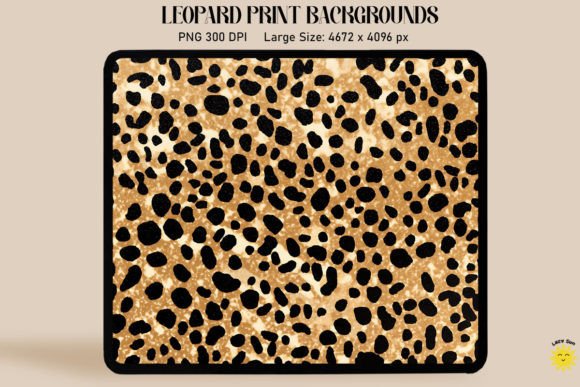
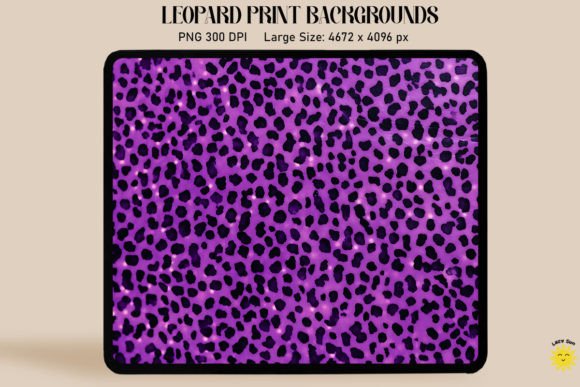
This design asset is far from a simple, flat pattern. The visual characteristics are rich and layered. The classic leopard spots are reimagined in shades of purple, often ranging from deep plum and violet to soft lavender and lilac. These tones are set against a contrasting background, which could be a neutral cream, a bold black, or even a gradient that adds depth and movement. The overall appeal is one of modern luxury fused with playful rebellion. It possesses a confident, fashion-forward personality that feels both edgy and sophisticated.
The style works because it taps into two powerful visual languages. Animal print suggests wildness, confidence, and a connection to nature's patterns. Purple historically connotes royalty, creativity, and mystery. When combined, they create a type of premium design asset that feels exclusive and intentional. Unlike a standard serif font or a clean sans serif font, this background pattern is a display font for your entire canvas—it’s meant to be seen and to set a specific mood, not to blend in.
Where This Pattern Truly Shines: Practical Applications
The versatility of a high-quality purple leopard print background is one of its greatest strengths. Its application spans a wide array of projects, each benefiting from its unique energy.
For brand identity and logo design, this pattern can serve as a powerful accent. Imagine it as the backdrop for a beauty brand's packaging, a boutique's shopping bags, or the hero image on a lifestyle blog's website. It instantly communicates a brand that is bold, creative, and unafraid to be different. In editorial design and publishing, it can transform a magazine cover, a chapter opener, or a book jacket, catching the eye on a crowded shelf or a scrolling webpage.
Digital creators find immense value here. For social media graphics, a purple leopard print background makes Instagram posts, Pinterest pins, and YouTube thumbnails pop. It’s perfect for announcements, sale promotions, or quote graphics that need to stop the scroll. In web design, it can be used strategically as a hero section background, a featured product spotlight, or a newsletter signup banner to inject personality without overwhelming the site's core content.
The applications extend into physical products and personal projects. It’s excellent for craft projects, from custom phone cases and laptop decals to printed apparel and home decor. For scrapbooking and card making, it provides a vibrant, textured base for layers and embellishments. Event planners and small business owners can use it for invitations, banners, and promotional materials that need a festive, stylish vibe.
Design Considerations: Making It Work for You
Integrating such a strong visual element requires thoughtful execution. The key is to use it with purpose, not just as a filler. Here’s how to approach it effectively.
Evaluating Project Fit: First, consider your project's core message. Is it playful? Luxurious? Edgy? This background aligns perfectly with those tones. It might be less suitable for corporate, minimalist, or highly serious contexts unless used as a very subtle accent. Always ask if the pattern supports or distracts from your primary goal.
Font Pairing and Visual Hierarchy: The background is busy, so your typography must provide clear contrast and readability. Pair it with a clean, bold sans serif font for headlines or a simple, elegant serif font for body text. Avoid overly decorative script fonts or handwritten fonts for primary text, as they can become lost. Use the background to frame your content, not compete with it. Create a strong visual hierarchy by placing text on solid-color boxes or using the pattern in defined areas like headers and footers.
Readability and Balance: The high contrast of the purple and its background color is an asset, but test it thoroughly. Ensure text placed directly on the pattern maintains a WCAG-compliant contrast ratio. Often, the most effective approach is to use the pattern as a surrounding element, with your main content on a neutral, complementary solid color. This maintains professionalism and ensures your message is clear.
File Specifications and Flexibility: Understanding your asset is crucial. This particular offering includes a single, high-resolution PNG file at 4672 x 4096 pixels and 300 DPI. This large-format, high-resolution base is a significant advantage. It means you can confidently resize the design for anything from a small web icon to a large-scale print banner without losing quality or introducing pixelation. It’s a versatile design asset built for real-world use.
Practical Workflow: Remember, the files are delivered in a compressed .ZIP format. You'll need to know how to unzip files on your computer to access the PNG. Since it's not a layered file or an SVG, your workflow will involve placing and scaling the entire image within your design software (like Photoshop, Illustrator, or Canva). Use clipping masks and adjustment layers to integrate it seamlessly into your compositions.
Ultimately, a purple leopard print background is a tool for creativity and expression. It’s for the designer who wants to break from the safe and predictable, the entrepreneur building a memorable brand, and the crafter adding a personal touch. When used with intention, it elevates a project from ordinary to unforgettable, proving that sometimes, the most effective way to communicate is to embrace your wild side.