Polished Metal Backgrounds: Where Luxury Meets Light
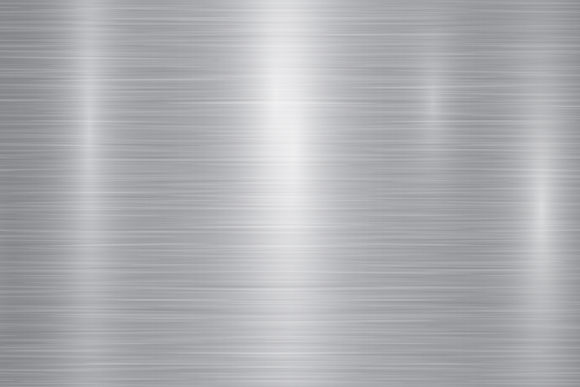
There's a particular quality to polished metal that commands attention. It's the play of light on a flawless chrome surface, the deep gleam of brushed steel, the warm radiance of gold under studio lighting. This is the essence captured in a collection of Polished Metal Backgrounds—a set of design assets that bring instant sophistication and industrial elegance to any creative project. These aren't just flat colors; they are dynamic, textured surfaces with realistic glares and reflections that shift across a spectrum of colors, from cool gray and serene blue to luxurious golden, vibrant turquoise, and regal purple.
Imagine a background that does more than just fill space. It sets a mood. The cool, professional sheen of gray metal can ground a tech startup's branding, suggesting precision and reliability. A golden metal texture, on the other hand, speaks of premium quality and value, perfect for a luxury product launch or a high-end service. The versatility here is key. These backgrounds aren't a one-note effect. The collection includes files in .ai CC for full vector editability, .eps 10 for broad compatibility, and high-resolution .jpg files at a generous 6667x3750 pixels, ensuring your designs look sharp whether they're on a business card or a billboard.
Practical Applications for Real Projects
So, where does a resource like this truly shine? Let's move beyond theory. If you're a marketer crafting a social media campaign for a new gadget, a sleek blue metal background can make product shots pop and convey cutting-edge innovation. For a blogger or publisher, these textures can transform a simple header image into something memorable, adding depth to articles about technology, automotive topics, finance, or even modern interior design. The abstract nature means it supports your content without overwhelming it.
For entrepreneurs and small business owners developing a brand identity, consistency is everything. Using a polished metal background across your website, presentation decks, and packaging design creates a unified, professional look. It’s a powerful tool for logo design when you need a mark that feels solid, established, and forward-thinking. Crafters and hobbyists can also leverage these assets for digital scrapbooking, custom invitations, or print-on-demand products where a touch of metallic luxury elevates the final piece.
Making It Work: Pairing and Readability
A stunning background is only half the battle; your typography must work with it, not against it. This is where thoughtful font pairing comes in. The reflective, busy nature of a metal texture demands clean, legible type. You'll want to avoid overly decorative script fonts or complex handwritten fonts for body copy, as they can get lost in the glare. Instead, consider a strong, simple sans serif font for headlines—its modern lines will complement the industrial feel. For body text, a classic, highly readable serif font or a clean sans serif with good weight will ensure your message is clear.
Think about visual hierarchy. Place your most critical text—like a headline or a call-to-action button—on a less textured area of the background, or consider adding a subtle, semi-transparent overlay to improve contrast. The goal is to let the polished metal background enhance your design's personality while ensuring every word remains perfectly readable. This balance is what separates amateur work from professional editorial design or compelling web design.
A Smart Addition to Your Creative Toolkit
When evaluating any design assets, practicality matters. The inclusion of vector formats (.ai and .eps) is a significant advantage. It means you can scale these backgrounds to any size without losing quality, adjust colors to match your exact brand palette, or even isolate and modify the glare effects. This level of control is essential for professional work in packaging design, large-format prints, or detailed logo design explorations.
Always consider the licensing. For commercial use, which most professionals require, check that the license permits your intended applications, whether it's for a client project, merchandise, or digital products. Before committing, test the background with your specific color scheme and typography. Does the turquoise metal clash with your brand's coral accent? Does the purple glare distract from your product photography? Run these tests. A resource like this becomes invaluable when it seamlessly integrates into your workflow, solving the perennial problem of finding a background that is both visually striking and functionally versatile. It’s not just a texture; it’s a foundational element that can elevate the perceived quality and cohesion of an entire project.