Shabby Chic Floral Wood Backgrounds: Vintage Warmth for Modern Projects
Understanding the Aesthetic: Distressed Wood Meets Vintage Florals
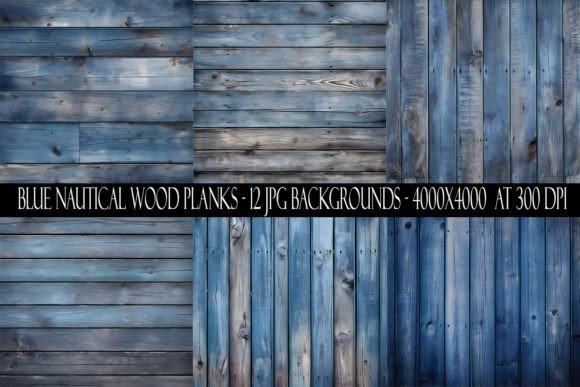
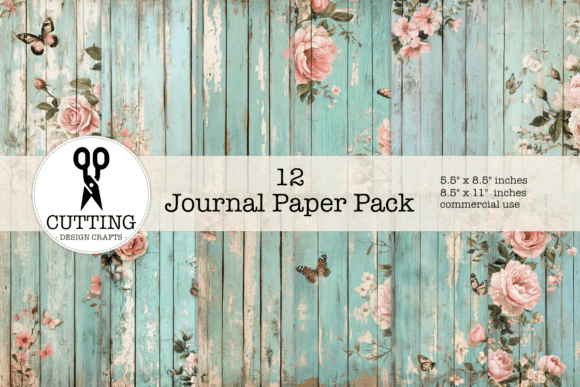
There’s a particular kind of charm in objects that show their history. A well-loved piece of furniture, a slightly faded piece of fabric, or a weathered wooden surface tells a story. This is the core appeal of the Shabby Chic Floral Wood Backgrounds collection. It’s not just a set of digital papers; it’s a curated aesthetic. The bundle presents distressed wood plank textures as its foundation, giving that immediate sense of rustic, lived-in warmth. Layered over this are vintage floral illustrations—hand-painted roses, delicate wildflowers, and gentle butterflies—that soften the roughness with a romantic, nostalgic touch. The soft aqua color palette is key here. It’s not a jarring primary blue, but a muted, almost powdery tone that feels calming and inherently vintage. This combination creates a visual personality that is cozy, elegant, and timelessly appealing, perfectly capturing the cottagecore and shabby chic trends that continue to resonate with a wide audience.
Where This Style Truly Shines: Practical Applications
The real value of a design asset like this lies in its versatility. For junk journal creators and scrapbookers, these backgrounds are ideal. They provide an instant, cohesive foundation for layered pages. Imagine using one of the larger 8.5x11" prints as a base page, then collaging vintage ephemera, lace, and pressed flowers on top. The distressed wood texture prevents the page from looking too flat or digital, while the florals add a delicate focal point. For printable stationery, the smaller 5.5x8.5" size is perfect for creating notecards, recipe cards, or planner inserts that feel artisanal and special. A blogger or small business owner in the home, garden, or lifestyle space could use these as textured backgrounds for social media graphics, adding depth and a brand-consistent aesthetic to quotes, announcements, or product showcases. The high-resolution 300 DPI JPEGs ensure they look crisp whether printed or displayed on screen.
Integrating the Aesthetic into Brand and Design Work
For designers and entrepreneurs, the challenge often isn’t finding a pretty picture, but finding one that aligns with a specific brand identity. The Shabby Chic Floral Wood Backgrounds collection speaks directly to brands that want to communicate warmth, authenticity, and a handcrafted sensibility. Think of a boutique bakery, a floral design studio, a vintage clothing reseller, or a wellness blog centered on natural living. Using these backgrounds in their logo design (as a subtle texture within a lettermark or emblem), packaging design (for product labels or box liners), or across their web design (as section backgrounds or hero image overlays) can instantly establish that cozy, romantic vibe. It’s a form of visual storytelling. The distressed wood suggests durability and tradition, while the florals imply growth, beauty, and care. This combination can influence brand perception significantly, making a business feel more approachable and genuine.
Making Smart Choices: Pairing and Readability
Using a decorative background effectively requires some thoughtful font pairing. You wouldn’t want to place a highly ornate script font over the detailed florals; it would become a visual mess. Instead, consider contrast and clarity. A clean, modern sans serif font for headlines can provide a contemporary counterpoint to the vintage background, creating an interesting tension. For body text, a simple, readable serif font often works well, complementing the traditional feel without competing for attention. The key is readability. Always test your text placement. Use a solid or semi-transparent overlay behind text blocks if the background is too busy in that area. This ensures your message is clear while still allowing the beautiful texture to frame your content. The backgrounds are assets, not the main event—they should support your visual hierarchy, not undermine it.
Practical Guidance for Creative Projects
Before diving into a project, take a moment to evaluate the fit. Scroll through the 12 unique designs. Do the specific floral arrangements and color variations in the aqua tones match your project’s mood? A design with more prominent wildflowers might suit a children’s book cover, while one with tighter, more formal rose patterns could be better for wedding stationery. Test the backgrounds at a small scale first. Place your primary text and imagery over them in a mock-up. How does it feel? Does it enhance or distract? This step is crucial for any creative project, from personal crafts to commercial brand identity work. Remember, these are design assets. Their purpose is to streamline your workflow and provide a professional starting point. The included sizes cover the most common print formats, but you can easily crop or adapt them for digital use in editorial design or social media graphics. By understanding their strengths—the nostalgic warmth, the textural interest, the soft color story—you can deploy them effectively to bring a consistent, polished, and emotionally resonant aesthetic to a wide array of creative endeavors.