Timeless Vineyard Charm: Grapes Junk Journal Paper Backgrounds
The Aesthetic of Patina and Produce
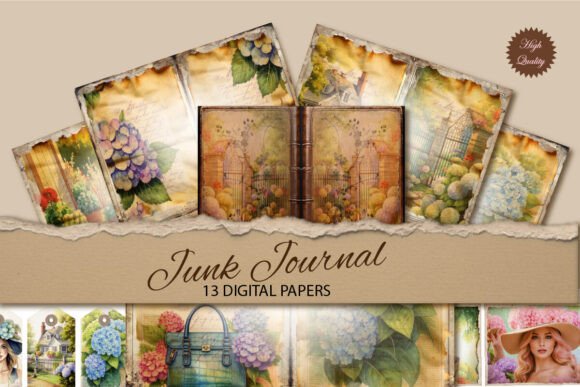
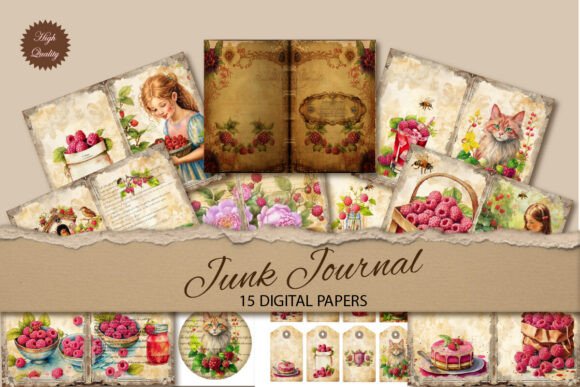
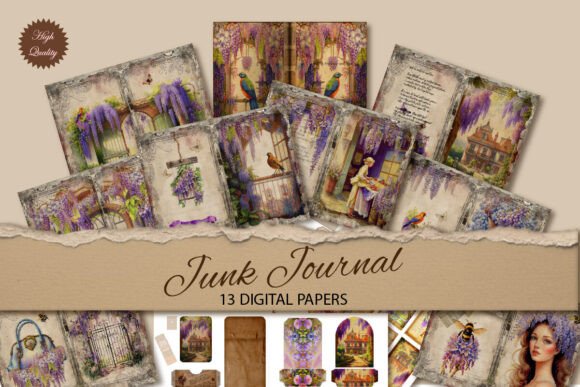
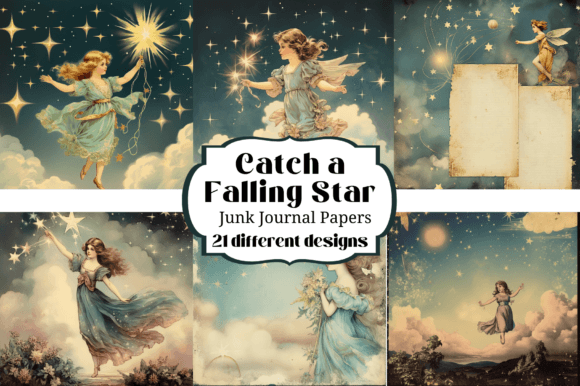
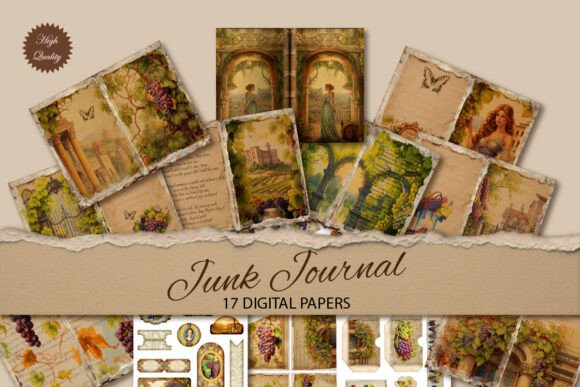
In the realm of digital design, finding assets that bridge the gap between rustic elegance and functional utility is often the hardest part of the creative process. When we talk about Grapes Junk Journal Paper Backgrounds, we are discussing more than just a set of textures; we are looking at a carefully curated collection of 17 pages designed to evoke a specific, tactile nostalgia. These backgrounds are not merely flat digital files; they possess a "shabby chic" personality that mimics the look of aged paper, weathered surfaces, and soft, watercolor illustrations of vineyard harvests. The visual style here leans heavily into a vintage aesthetic—think muted purples, soft greens, and the gentle bleeds of watercolor paint that suggest an afternoon spent sketching in a French countryside garden.
For the modern crafter or designer, the appeal of this collection lies in its versatility as a premium font for the background layer. While we often use the term "font" to describe typography, in the context of packaging design and editorial design, the background texture acts as the foundational "typeface" of the page. It sets the mood before a single word is written. The Grapes Junk Journal Paper Backgrounds offer a personality that is warm, inviting, and inherently organic. The JPG files are rendered at 300dpi, ensuring that the subtle grain of the paper and the delicate brushstrokes of the grape illustrations remain crisp, whether you are viewing them on a high-resolution screen or printing them for a physical project.
Strategic Applications for Branding and Content
Understanding where to deploy these backgrounds is key to maximizing their value. While the name suggests a niche use case for junk journaling, the reality is that these assets are powerful tools for brand identity and web design. Consider a boutique winery, a farm-to-table restaurant, or a lifestyle blogger focusing on slow living. For these entities, the background is not just decoration; it is a storytelling device. Using a page from this collection as a header image or a section divider in a newsletter immediately communicates a brand ethos of authenticity, heritage, and care.
In social media graphics, where the scroll speed is relentless, texture creates a stopping point. A flat, digital-white background often gets lost, but the tactile quality of a watercolor grape background adds depth and visual interest. It provides a complex canvas that makes overlaying text—whether it is a bold sans serif font for a headline or a delicate script font for a quote—much more dynamic. Furthermore, for packaging design, particularly for artisanal goods, jams, or stationery, these backgrounds can be printed directly onto labels or wrapping paper. The 11x8.5 inch format makes them ideal for standard printing, allowing entrepreneurs to create professional-grade packaging without the overhead of a custom design agency.
Technical Considerations and Workflow Integration
From a practical standpoint, integrating these assets into your workflow requires an understanding of the technical specifications provided. The files are bundled in a ZIP folder and provided as JPGs. This is a crucial detail for compatibility. JPGs are universally accepted across all design software, from industry standards like Adobe Photoshop and Illustrator to consumer-friendly tools like Canva and Procreate. Unlike PNG files which support transparency but often come with larger file sizes, JPGs in this context serve as solid background layers. The lack of transparency is actually an advantage here; it ensures that the paper texture remains solid and consistent behind your foreground elements.
When evaluating the fit of these backgrounds for your project, pay attention to the "grain" and color saturation. Because they are designed to mimic vintage paper, they have a natural noise to them. If you plan to overlay small text, particularly a fine serif font or a detailed handwritten font, you must ensure there is enough contrast. A common mistake in editorial design is placing light grey text over a textured background, resulting in poor readability. The solution is to use these backgrounds for elements that require less fine-detail reading, such as photo borders, decorative sidebars, or full-page "chapter" dividers. Alternatively, use a semi-transparent shape or a text box with a slight drop shadow to lift the typography off the texture.
Enhancing Visual Hierarchy and Readability
The true power of a collection like Grapes Junk Journal Paper Backgrounds is its ability to manipulate visual hierarchy. In design theory, hierarchy guides the viewer’s eye to the most important information first. By utilizing these textured backgrounds for secondary information—like a sidebar, a pull quote, or a photo caption—you effectively push that content "back" visually, allowing the primary content on a clean white or solid colored background to pop forward.
However, the interplay between the background and your font pairing is where the magic happens. If you are using a rustic, watercolor grape background, pairing it with a hyper-modern, geometric display font might create visual dissonance unless you are intentionally going for a "high-low" contrast aesthetic. Generally, these backgrounds pair best with creative fonts that have a human touch. Think of elegant serifs, relaxed sans-serifs with rounded terminals, or flowing scripts. The organic nature of the watercolor art harmonizes with typography that feels "drawn" rather than "generated." For example, a wedding invitation suite using these backgrounds would look stunning with a copperplate script for the names and a clean, wide-tracked sans serif font for the details, creating a balance between the vintage art and modern legibility.
Practical Guidance for Your Dream Projects
To truly see your dream projects come to life, you need to treat these digital assets as you would physical materials. Here is a practical checklist for implementation:
- Evaluate the Context: Before downloading, visualize the end product. Is this for a digital PDF, a printed planner, or a physical product? The 300dpi resolution is print-ready, making it perfect for physical goods.
- Software Compatibility: Ensure you have access to software that can handle JPGs and ZIP files. While modern operating systems handle ZIP natively, having a design tool that allows for layering is essential to utilize the background effectively.
- Color Grading: Even though the backgrounds are pre-colored, don't be afraid to apply a "Hue/Saturation" adjustment layer in Photoshop. You can shift the purple grapes to a deep burgundy for a winter theme or a light lilac for spring, extending the longevity of the asset pack.
- Commercial Licensing: Always review the specific licensing terms provided with the download. For small business owners and entrepreneurs, confirming that the asset can be used in commercial products (like planners you sell on Etsy or social media templates for clients) is a critical step in professional design workflow.
Ultimately, the Grapes Junk Journal Paper Backgrounds