Transform Your Designs with Glitter Watercolor Digital Backgrounds
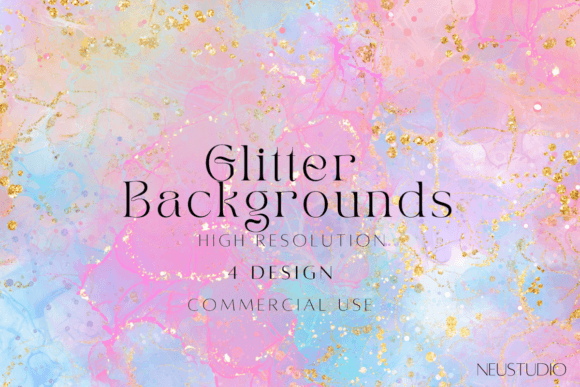
Every designer, entrepreneur, or content creator eventually hits a wall where standard solid colors or generic textures just don't cut it anymore. You need something that bridges the gap between organic artistry and digital precision. This is exactly where Glitter Watercolor Digital Backgrounds enter the conversation. They offer a unique aesthetic that combines the fluid, translucent nature of watercolor painting with the sparkling, high-energy finish of glitter. It is a specific visual language that speaks of creativity, luxury, and celebration without being overly loud.
The Visual Appeal: More Than Just a Texture
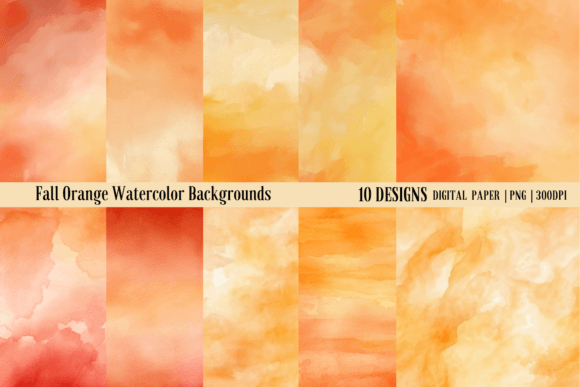
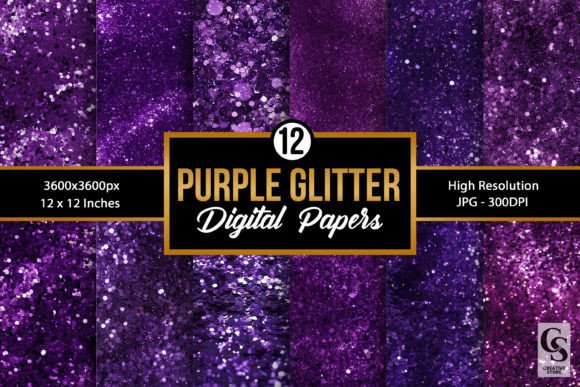
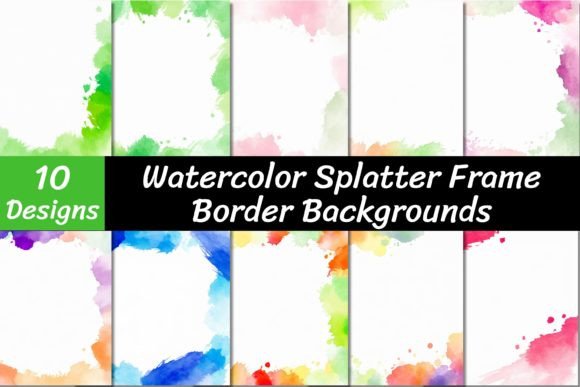
When you first open a file from this collection, you aren't just seeing a pattern; you are looking at a complex layering of media. The defining characteristic of Glitter Watercolor Digital Backgrounds is the contrast between the soft, bleeding edges of watercolor washes and the sharp, reflective texture of glitter particles. This creates a dynamic depth that is difficult to achieve with flat vector graphics.
Visually, these backgrounds tend to have a "handmade" personality. In an era of algorithmic perfection, the slight irregularities of the watercolor strokes make the design feel human and approachable. However, the addition of glitter adds a layer of glamour and modernity. It catches the eye immediately. Whether you are using the larger 8000 x 8000 files for massive print installations or the 4000 x 4000 files for digital screens, the 400 DPI to 300 DPI resolution ensures that the texture remains crisp. You won't see pixelation even when zooming in on the glitter grains, which is crucial for maintaining a premium font or high-end product aesthetic.
Practical Applications for Modern Creators
Understanding where to deploy these backgrounds is just as important as the assets themselves. They are not universal—placing heavy text over a busy glitter texture is a recipe for illegibility. However, when used strategically, they can elevate various projects across the board.
For those involved in brand identity and logo design, these backgrounds work exceptionally well as secondary elements. Think of the back of a business card, the inside of a presentation folder, or a website hero section where the logo sits on top in a clean, solid box. The background provides the mood, while the typography provides the clarity.
In the realm of packaging design, particularly for cosmetics, jewelry, or stationery, Glitter Watercolor Digital Backgrounds can simulate the look of luxury wrapping paper. It gives the consumer a tactile feeling through a digital image. Similarly, social media graphics benefit immensely. Instagram stories or Pinterest pins need to stop the scroll. A vibrant watercolor wash with a hint of sparkle does exactly that, creating an emotional reaction before the user even reads the caption.
Pairing and Typography Strategy
One of the most common pitfalls I see in editorial design and web design is the misuse of texture behind type. Because Glitter Watercolor Digital Backgrounds are visually complex, your typography choices must provide contrast. This is where the interplay of different typeface styles becomes critical.
Avoid using script fonts or highly detailed handwritten fonts directly over the busiest parts of the background. The organic shapes of the watercolor will clash with the loops and swirls of the script, reducing readability. Instead, opt for clean sans serif fonts or sturdy serif fonts with good weight. A bold, geometric sans-serif creates a striking modern contrast against the flowing watercolor. If you must use a display font, ensure it is large enough to dominate the texture.
When evaluating font pairing, consider the "personality" of the background. If the watercolor is pastel and soft, a delicate serif might work for headlines. If the glitter is gold and the watercolor is deep navy, you are looking at a luxury aesthetic that demands a sophisticated, high-contrast typeface. The goal is visual hierarchy: the background sets the atmosphere, but the text must deliver the information clearly.
Licensing and Technical Considerations
Before integrating these assets into a commercial workflow, practical considerations must be addressed. Since these are design assets intended for professional use, checking the licensing is non-negotiable. You need to ensure that the license covers your specific use case, whether it is for a client’s logo design, packaging design, or digital merchandise.
The file specifications—specifically the 8000 x 8000 and 4000 x 4000 dimensions at high DPI—make these files versatile. The high resolution is a massive advantage for print designers. You can crop into a specific section of the background to create a unique texture for a brochure cover without losing quality. For digital designers, while 8000px is overkill for a web banner, it allows for significant resizing and compression while maintaining sharpness.
Maximizing Impact with Glitter Watercolor
Using these backgrounds effectively is about restraint and context. They are powerful creative fonts and assets, but they can easily overwhelm a layout if not handled with a designer's eye. Here are a few practical recommendations for your next project:
- Create "Clear Zones": When placing text, look for areas in the watercolor wash that are lighter or less saturated. This provides a natural place for text to sit without needing a distracting text box.
- Color Grading: Don't be afraid to adjust the hue or saturation of the background in Photoshop to match your specific brand identity palette. A pink watercolor can be shifted to peach or purple easily.
- Blending Modes: Experiment with blending modes like "Overlay" or "Soft Light" to create subtle textures on top of solid colors, adding depth to social media graphics without dominating the design.
Ultimately, Glitter Watercolor Digital Backgrounds are about adding a touch of magic to otherwise flat designs. They bridge the gap between traditional art media and modern digital requirements. Whether you are a small business owner designing your own wedding invitations or a professional agency working on a high-end campaign, these backgrounds provide the visual weight and emotional resonance needed to connect with an audience. By focusing on readability, appropriate font pairing, and strategic placement, you can transform a simple project into a memorable visual experience.