Warm Wood Textures for Bold Sublimation Projects
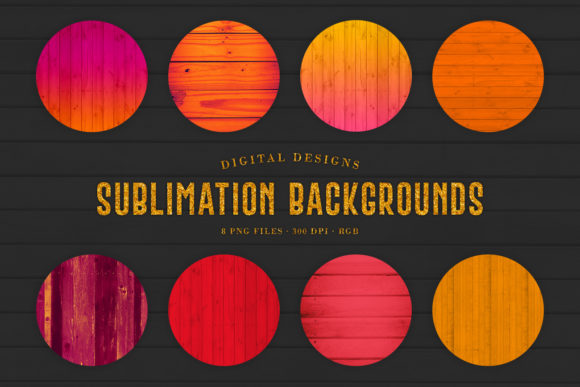
The right background does more than fill space; it sets the entire mood. When you are working on a design that needs to feel grounded, natural, and inherently warm, the search for the perfect asset can be time-consuming. This is where the Sublimation Backgrounds - Red & Orange set offers a specific solution. It isn't just a collection of generic textures; it’s a curated toolkit of eight distinct wood grain backgrounds, each infused with rich, autumnal hues.
Visually, these backgrounds bridge the gap between rustic charm and modern vibrancy. Wood textures are timeless, but the specific color palette here—deep reds, burnt oranges, and warm ambers—moves them away from the typical farmhouse neutral. They possess a personality that is both energetic and cozy. You can almost feel the warmth radiating from the grain. This makes them incredibly appealing for projects that need to evoke a sense of comfort, celebration, or earthy sophistication without looking dated.
Practical Applications for Designers and Makers
For the crafter or small business owner working with sublimation, these assets are built for production. The specifications—300 DPI, RGB color mode, and a substantial 12”x12” (3600x3600px) size—are the industry standard for high-quality output. This means you can confidently use them for physical products like ceramic coasters, polyester tote bags, or hardboard ornaments without worrying about pixelation or color dulling. The transparent PNG format is particularly useful here; it allows you to layer the wood texture behind your main design elements—be it a logo, monogram, or quote—without needing to manually cut out shapes.
However, the utility of Sublimation Backgrounds - Red & Orange extends well beyond the heat press. In the realm of digital design, these textures are powerful tools for creating immediate visual impact. Consider using them for:
- Social Media Graphics: A red or orange wood background instantly grabs attention in a crowded feed, making it perfect for sale announcements, product features, or seasonal promotions (especially for autumn, Thanksgiving, or rustic weddings).
- Website Headers: For brands in the food, beverage, or artisanal space, a textured background adds depth that flat colors cannot match. It suggests craftsmanship and quality.
- Podcast Covers and YouTube Thumbnails: These backgrounds provide a high-contrast base for overlaying text, ensuring your titles are readable while maintaining a cohesive aesthetic.
Integrating Texture into Brand Identity
When building a brand identity, consistency is key, but so is personality. If your brand voice is warm, approachable, and authentic, these backgrounds can become a recurring visual element. Imagine a coffee roaster using these textures behind their menu boards or a craft brewery using them on their social media stories. The texture communicates "handmade" and "quality" without a single word.
However, integrating a strong texture like this requires a thoughtful approach to visual hierarchy. Because the backgrounds are detailed, your typography needs to stand up to them. This is where choosing the right typeface becomes critical. A thin, light sans-serif font might get lost in the grain. Instead, consider using:
- Heavy Serif Fonts: A bold, modern serif font can add a touch of elegance and authority, grounding the rustic texture with a sophisticated edge.
- Chunky Sans Serifs: Clean, geometric sans serif fonts in white or black offer high legibility and a contemporary feel, balancing the organic nature of the wood.
- Script Fonts: A flowing script font can be beautiful for headers on invitations or branding materials, provided it is bold enough to remain readable against the wood grain.
Evaluating Fit and Commercial Use
Before committing to any design assets, it is wise to evaluate how they fit your specific workflow. Since these are raster files (PNG) and not vector files, they are best used as backgrounds rather than scalable logos. For packaging design, you could use them as the main background for a label, but ensure your text is placed on a semi-transparent overlay if the wood texture is too busy.
For those concerned about licensing, it is always standard practice to review the terms regarding commercial use. Most assets like this are licensed for use on physical end-products for sale, which is the primary use case for sublimation designs. Always verify if the license covers digital end-products (like selling a planner PDF) if that is your business model.
Ultimately, the Sublimation Backgrounds - Red & Orange set is about adding warmth and character to your work. Whether you are a graphic designer looking for premium font backgrounds for a client presentation, a crafter making personalized gifts, or a marketer creating seasonal content, these textures provide a reliable, high-quality foundation. They remind us that good design often starts with a solid, tactile base.